
Solar Water Pump
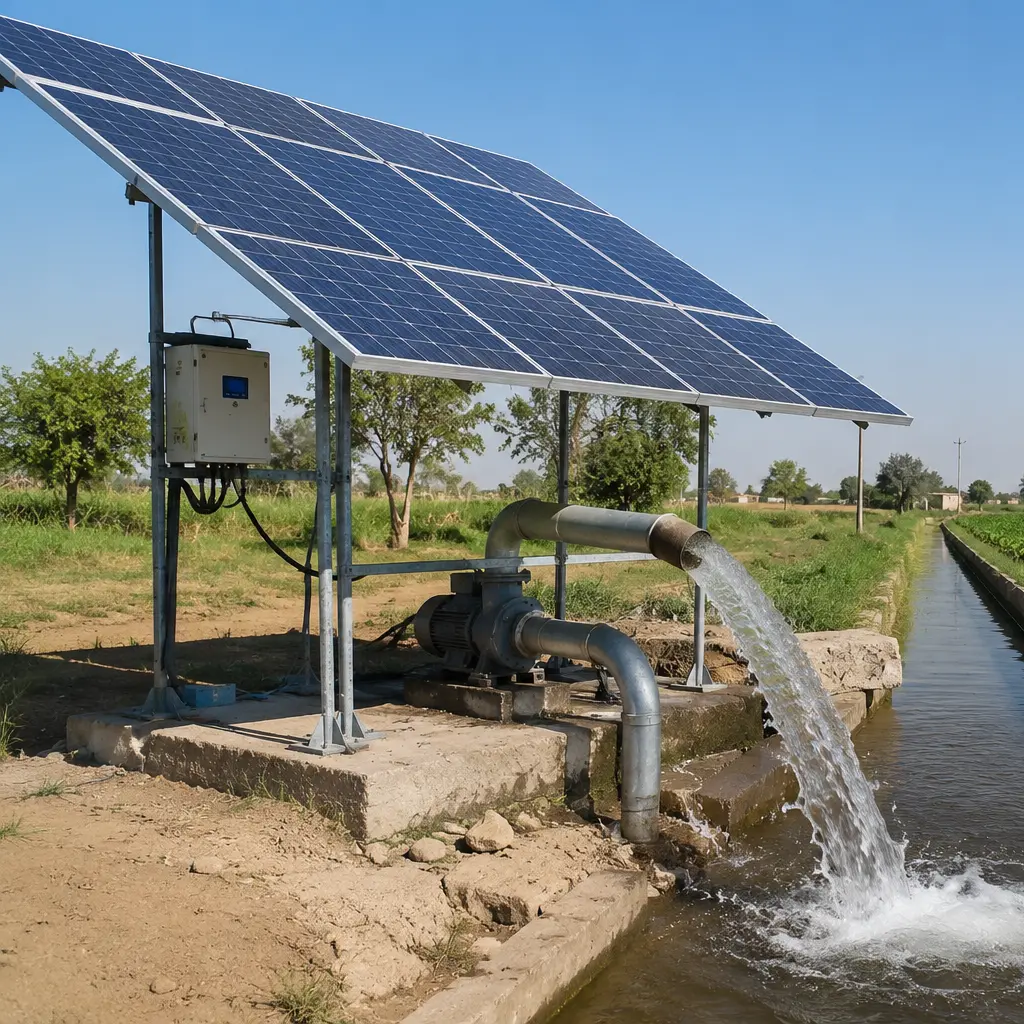
Water is the lifeline of agriculture, households, and industries. Traditional pumps often rely on diesel or grid electricity, which can be costly, unreliable, and harmful to the environment. Solar Water Pumps offer a sustainable alternative by harnessing solar energy to power pumping systems, ensuring a continuous and eco-friendly water supply.
How It Works
A Solar Water Pump system consists of:
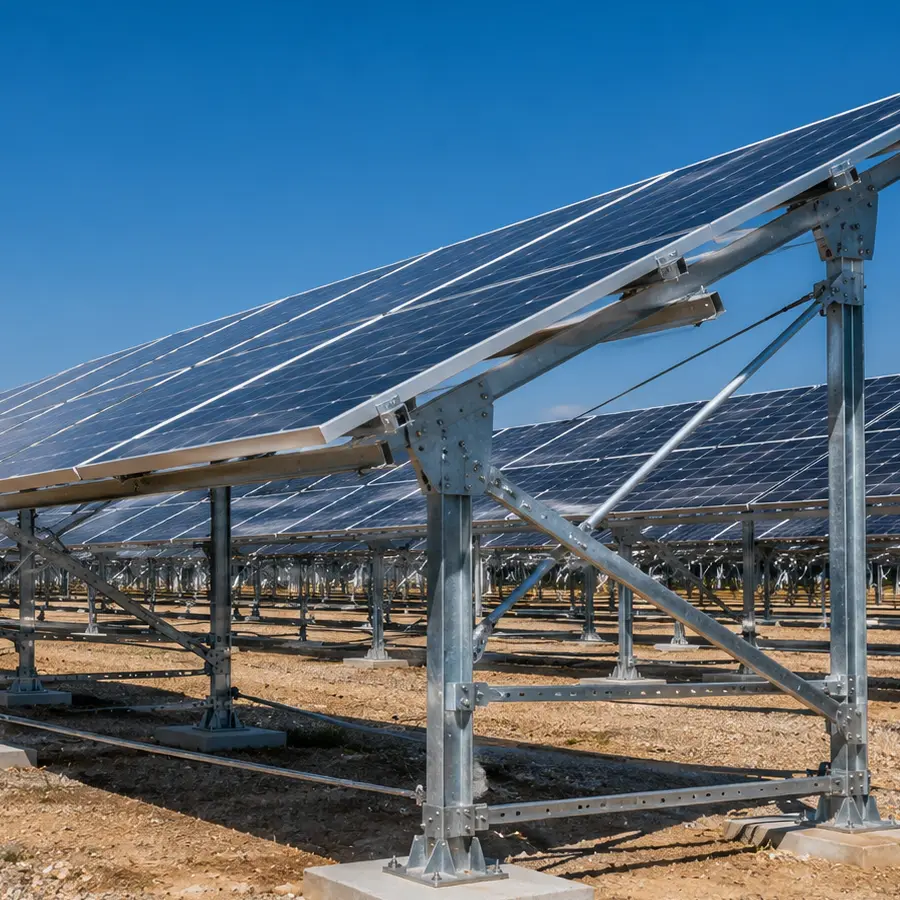
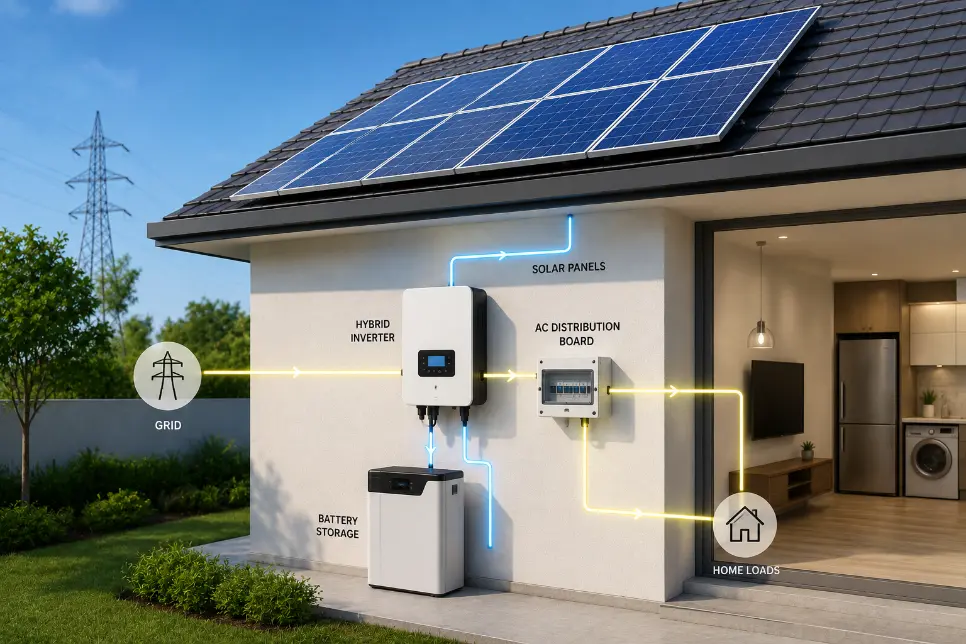
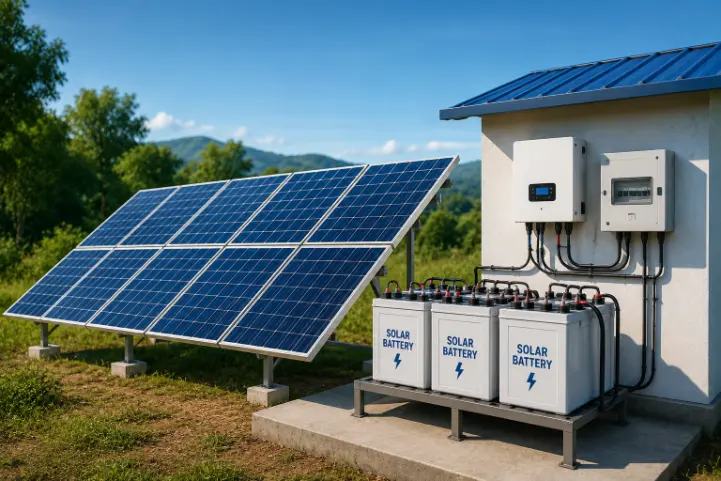
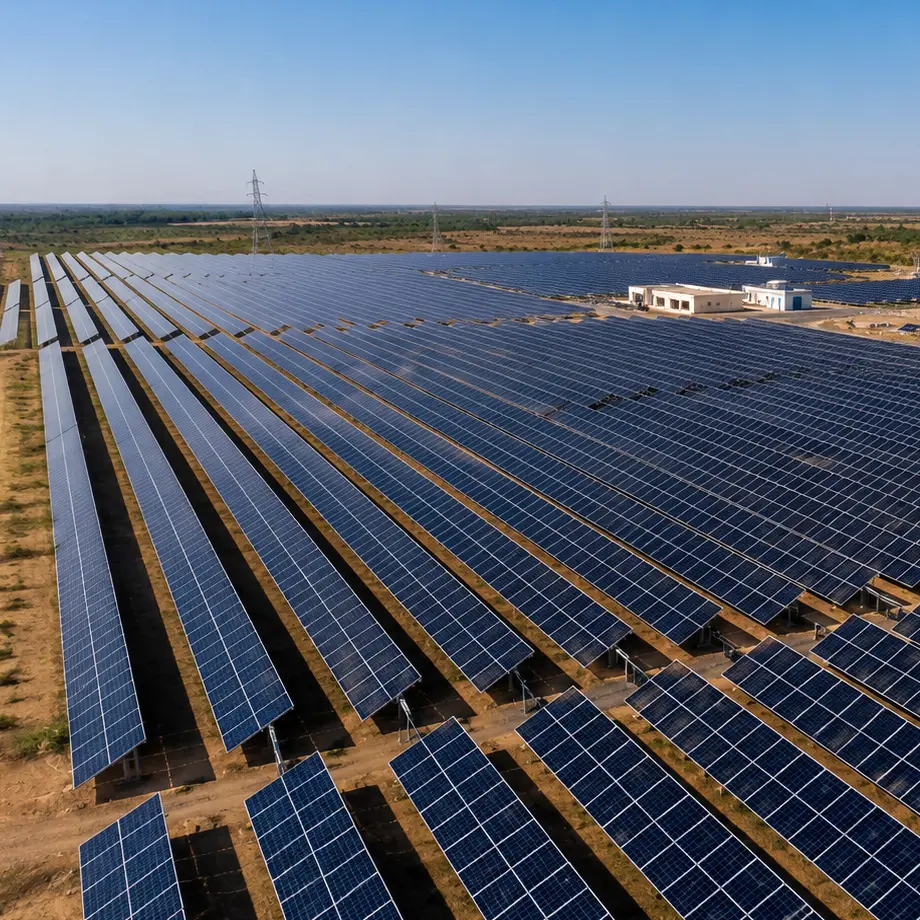
Solar Panels – Capture sunlight and convert it into electricity.
Controller/Inverter – Regulates power flow and ensures smooth pump operation.
Pump Unit – Can be submersible, surface, or centrifugal, depending on application.
Battery (Optional) – Stores energy for cloudy days or nighttime use.
During the day, solar panels generate electricity that directly powers the pump or charges a battery. The pump then lifts water from wells, rivers, or reservoirs to supply irrigation systems, drinking water facilities, or industrial processes.
Key Features
Eco-Friendly – Runs entirely on renewable solar energy.
Cost-Effective – Eliminates fuel costs and reduces electricity bills.
Reliable Supply – Works efficiently even in remote, off-grid areas.
Low Maintenance – Long lifespan with minimal servicing.
Versatile Pump Types – Suitable for submersible, surface, and centrifugal applications.
Scalable – Can be customized for small farms or large irrigation projects.
Product Enquiry
Interested in this product? Send us your enquiry.
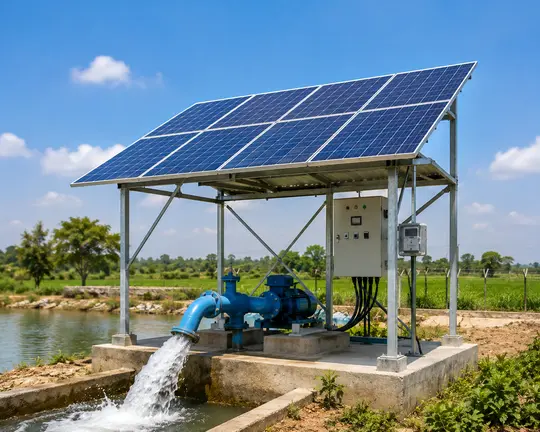
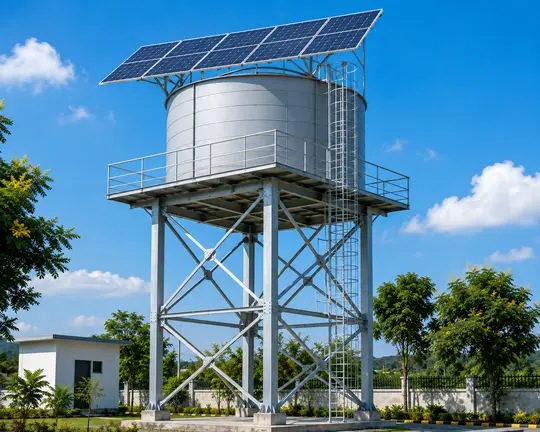

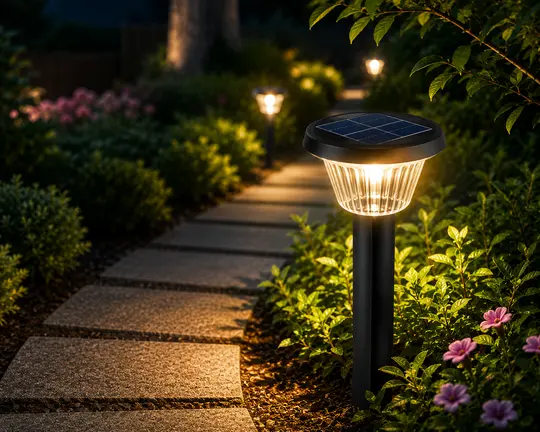





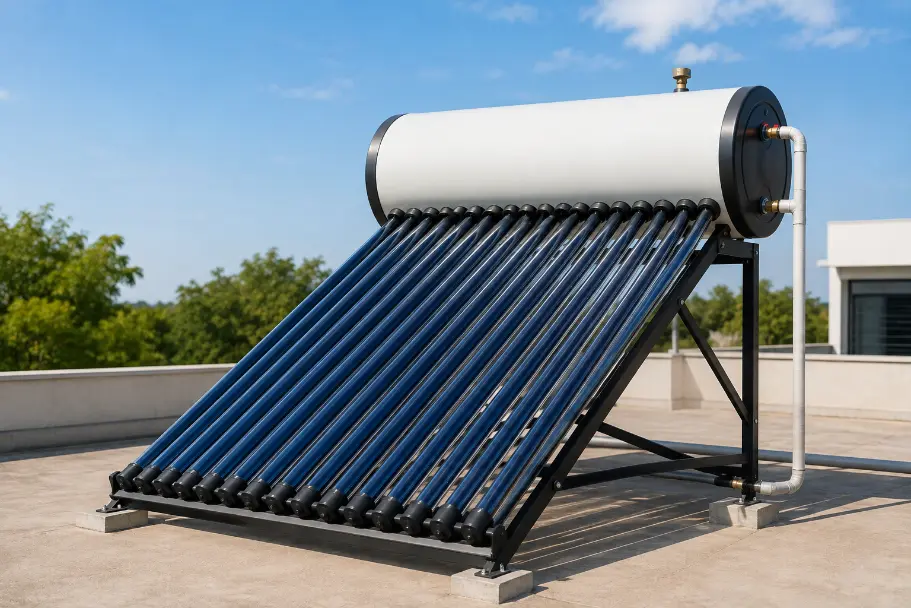
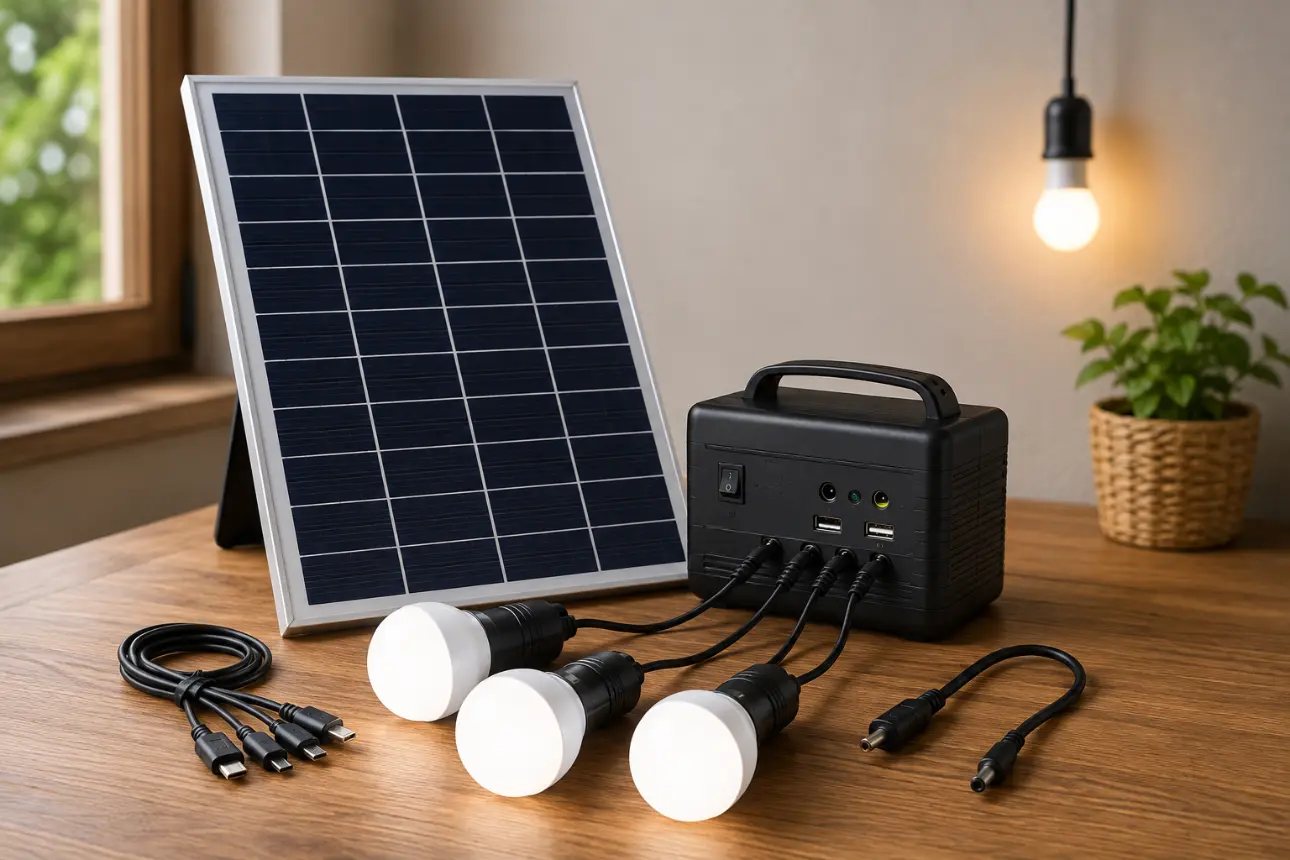
Agricultural Irrigation
Provides water for crops, orchards, and plantations
Drinking Water Supply
Pumps clean water for rural households and communities
Livestock Watering
Ensures reliable water for cattle, poultry, and dairy farms
Industrial Use
Supplies water for factories, processing plants, and cooling systems
Community Projects
Supports rural water distribution schemes
Emergency Relief
Provides water in disaster-hit or drought-prone regions