
Pump Structure
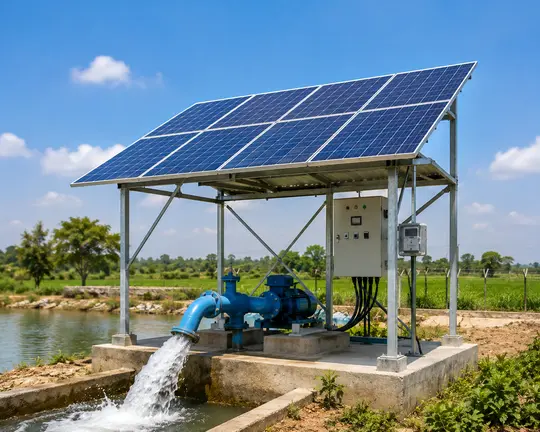
Pumping systems are critical for moving water, chemicals, and other fluids across industries. However, their efficiency and lifespan depend on the supporting structure. A Pump Structure provides the necessary foundation and framework to hold pumps, motors, and associated equipment in place, protecting them from vibration, misalignment, and environmental damage.
Typically made of galvanized steel, mild steel, or reinforced concrete, pump structures are engineered to withstand heavy loads, continuous operation, and external stress factors. They often include platforms, enclosures, and vibration-dampening systems to ensure smooth functioning.
How It Works
Foundation Base – Strong concrete or steel base anchors the pump.
Support Frame – Holds pump, motor, and piping securely.
Protective Enclosure – Shields equipment from dust, rain, and corrosion.
Alignment System – Ensures proper coupling between pump and motor.
Maintenance Access – Ladders, platforms, or hatches for easy servicing.
Key Features
Durable Build – Designed for long-term heavy-duty use.
Corrosion Resistance – Galvanized or coated steel prevents rust.
Vibration Control – Reduces wear and tear on equipment.
Customizable Design – Tailored to pump type and capacity.
Safety Compliance – Meets industrial standards for reliability.
Low Maintenance – Simplifies servicing and inspection.
Product Enquiry
Interested in this product? Send us your enquiry.
Latest Products
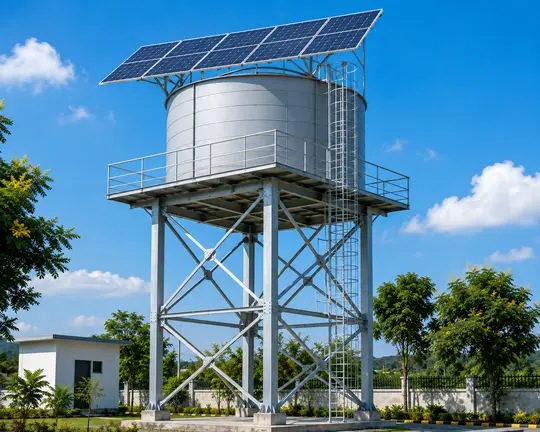
Water Tank Metal Structure

High Mast Pole

Garden Light

Designer Light

Standalone Light

AC LED Street Light

Swaged Pole

Octagonal Pole
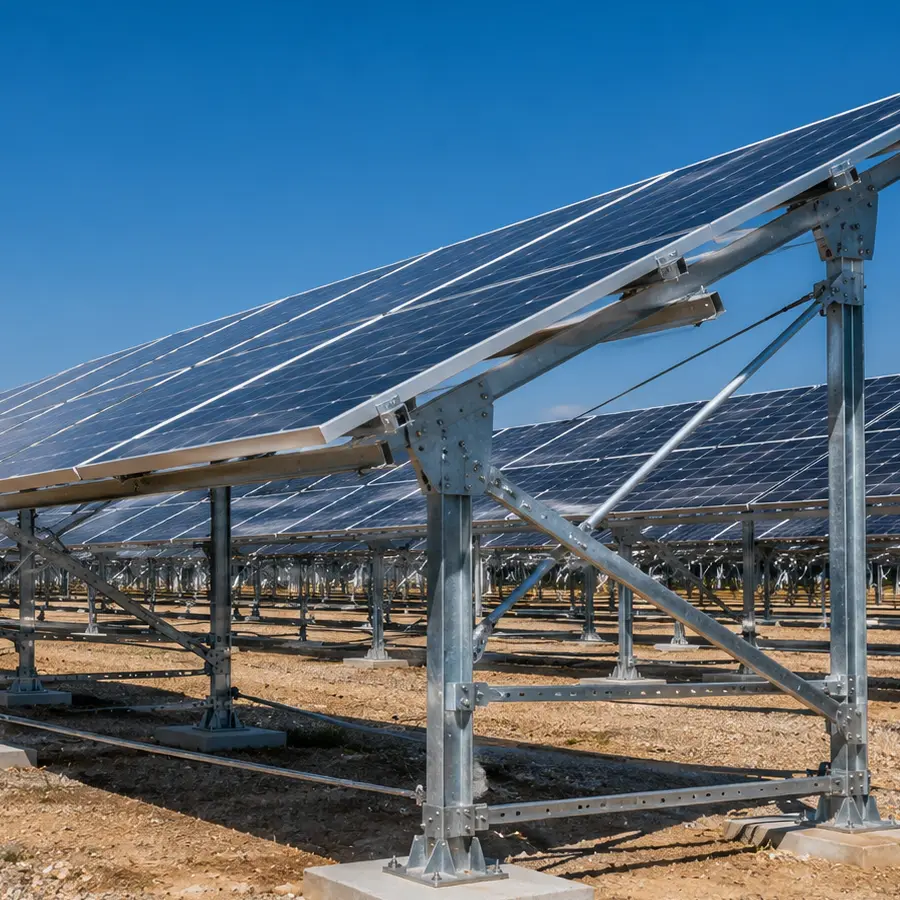
Module Mounting Structure
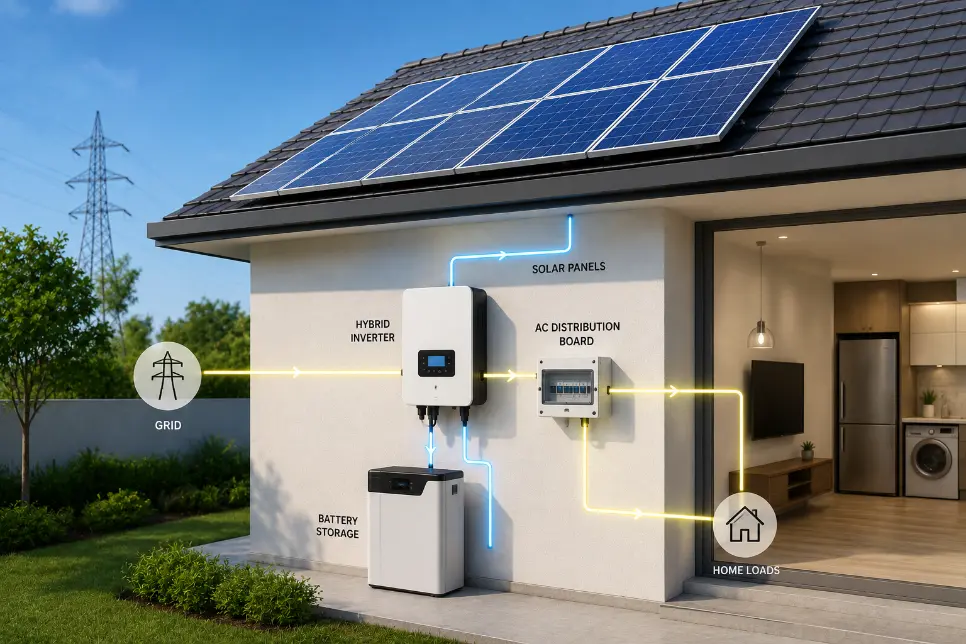
Hybrid Solar System
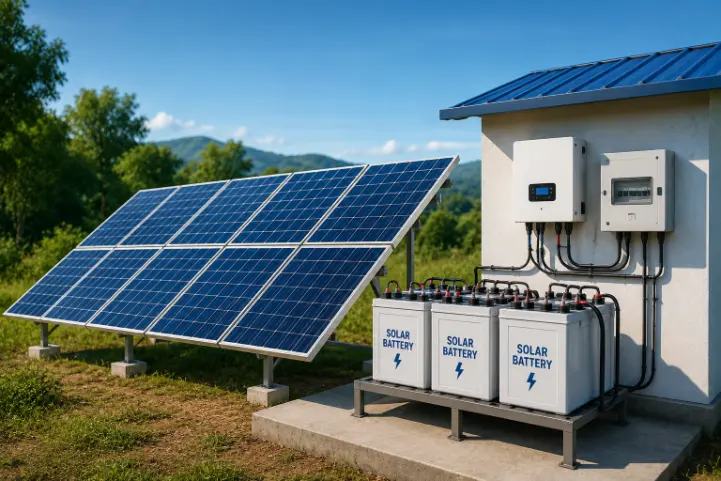
Off Grid Solar System
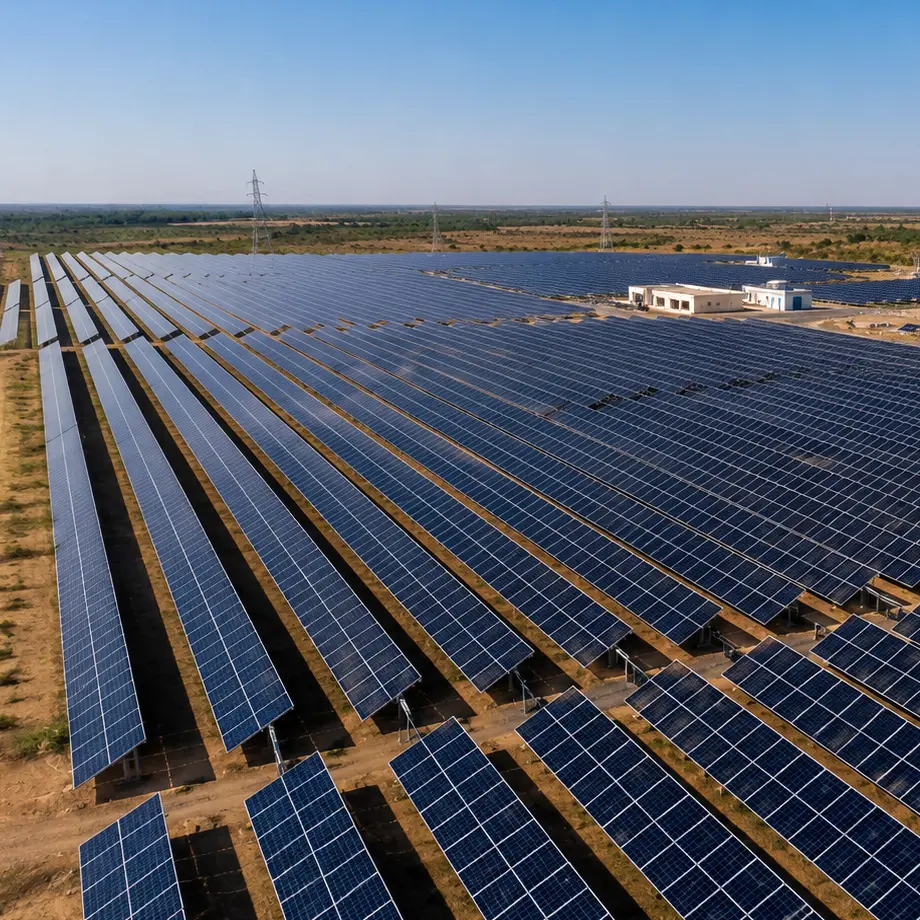
On Grid Solar System
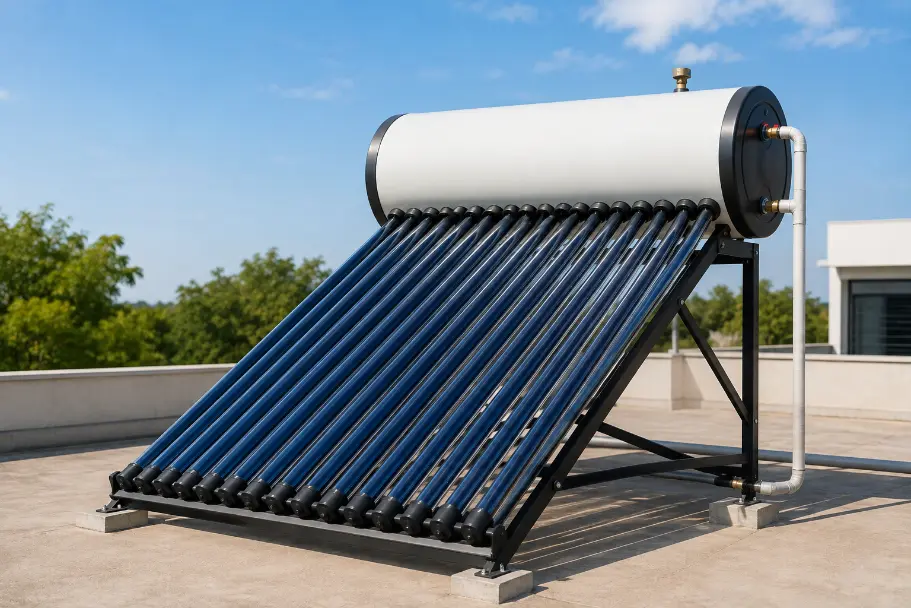
Solar Water Heater
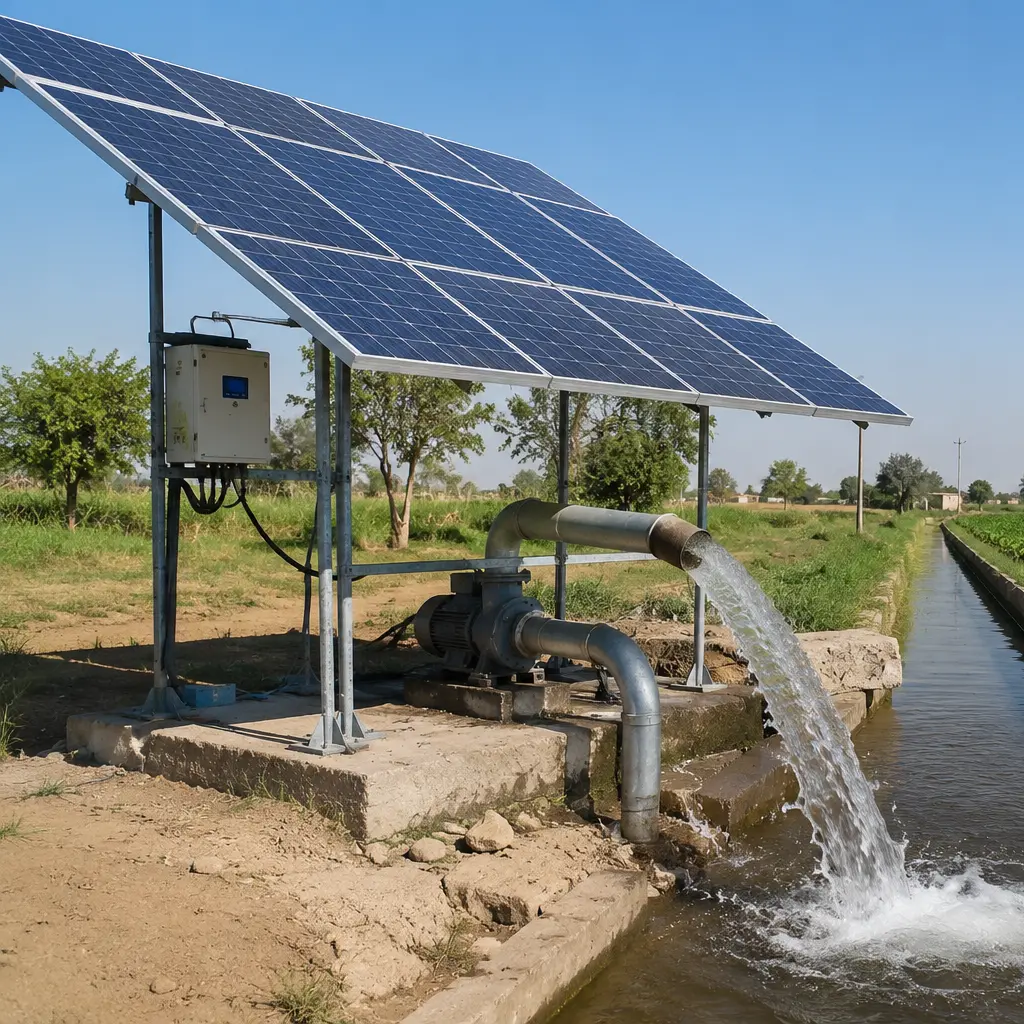
Solar Water Pump

Solar Home Lighting System
Agricultural Irrigation
Supports pumps for canal and borewell water supply
Municipal Water Supply
Houses pumps for city water distribution
Industrial Plants
Provides stable base for process water and chemical pumps
Power Plants
Supports cooling water and boiler feed pumps
Oil & Gas Sector
Structures for heavy-duty pumps in refineries
Wastewater Treatment
Holds pumps for sewage and effluent management