
AC LED Street Light
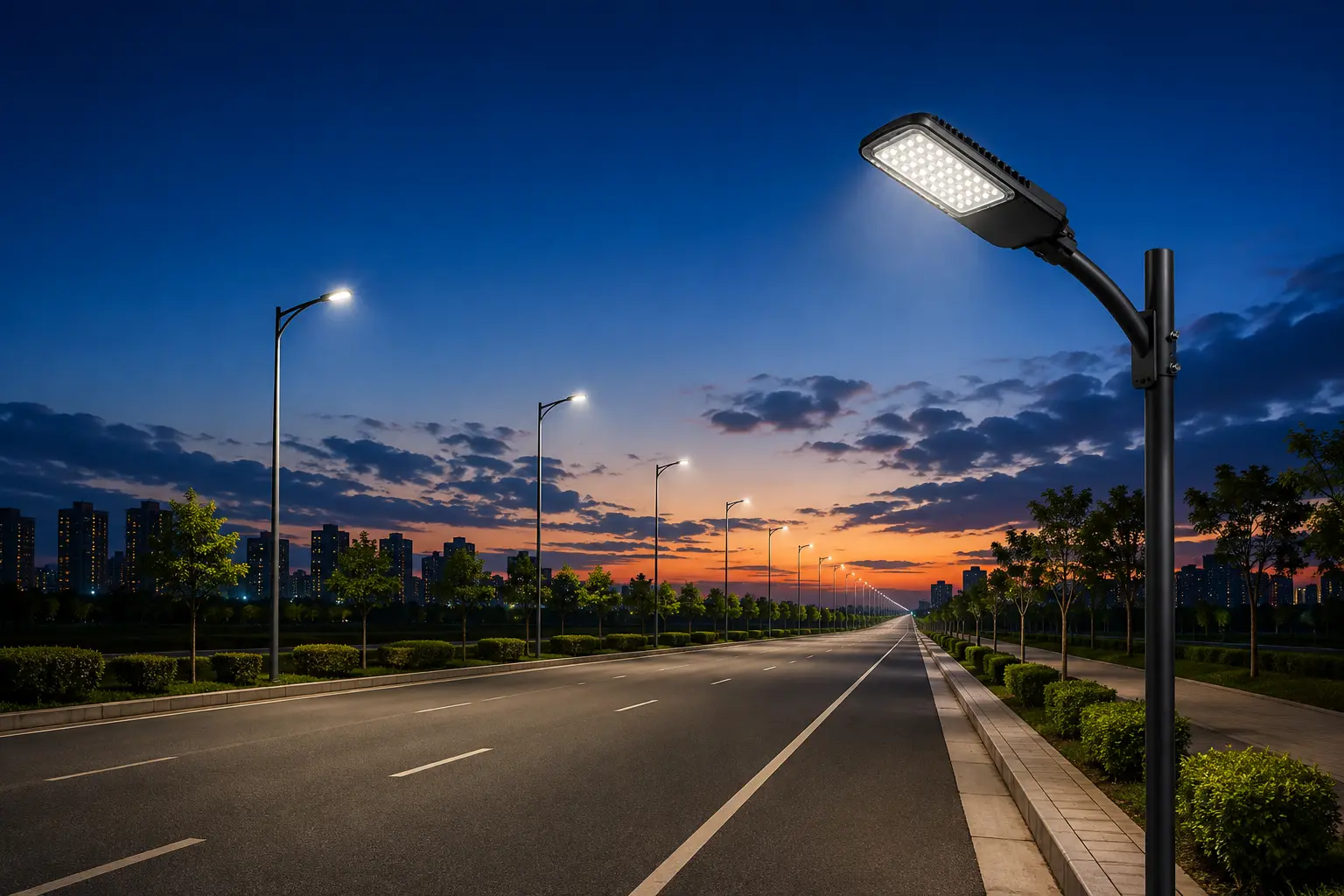
AC LED Street Lights are designed to deliver bright, uniform, and energy-efficient lighting for roads, highways, and public spaces. Powered directly by alternating current (AC), these lights combine advanced LED technology with robust housing to ensure long-lasting performance, reduced maintenance, and significant energy savings. Their sleek design and high lumen output make them ideal for modern infrastructure projects where safety, visibility, and sustainability are priorities.
How It Works
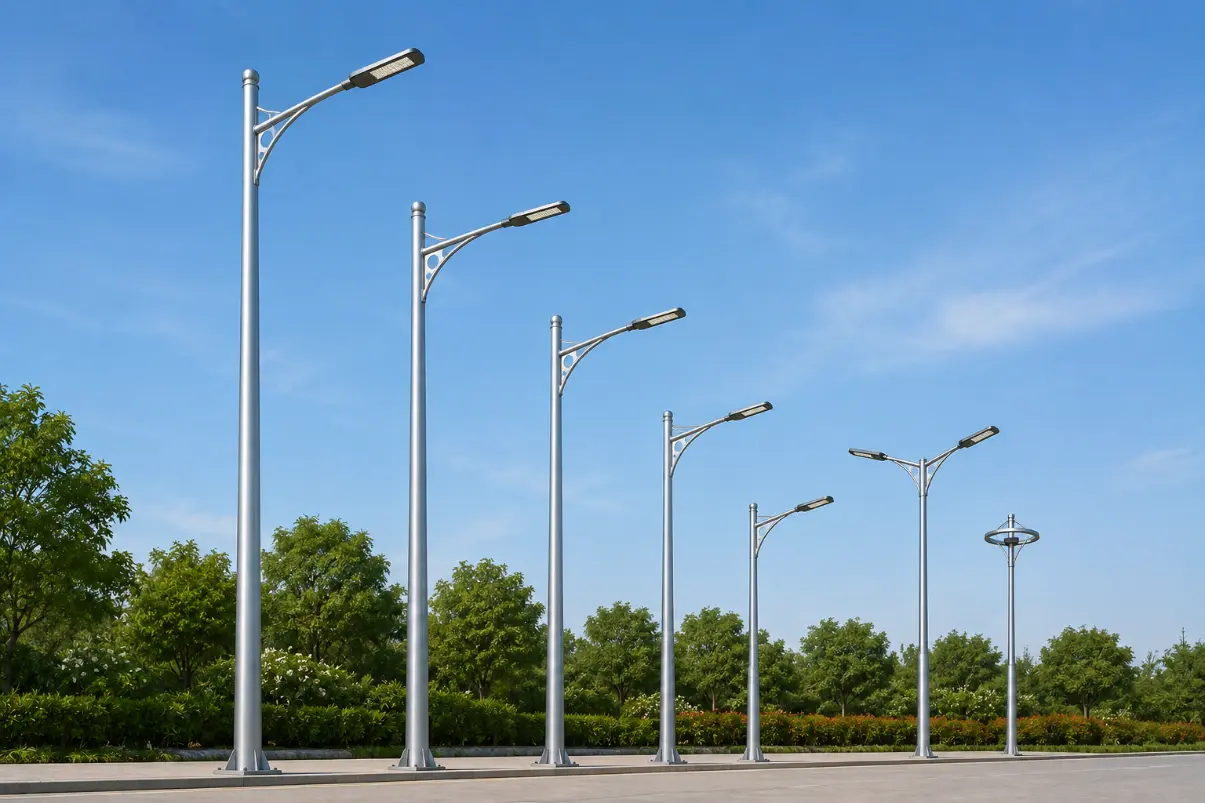
Pole/Fixture Structure – Mounted on poles with durable, weather-resistant housing.
LED Module – High-efficiency LED chips provide bright, uniform illumination.
Driver Unit – Converts AC power to regulate LED performance and prevent flicker.
Optical Lens – Ensures wide beam angle and uniform light distribution.
Heat Sink – Dissipates heat to maintain LED lifespan and efficiency.
Control Options – Compatible with timers, sensors, or smart streetlight systems.
Key Features
Energy Efficiency – Consumes less power compared to traditional sodium lamps.
Long Lifespan – LEDs last up to 50,000+ hours with minimal maintenance.
Uniform Lighting – Optical lenses reduce glare and shadows.
Durable Build – Weatherproof, corrosion-resistant housing for outdoor use.
Smart Ready – Can integrate with IoT-based streetlight management systems.
Cost Savings – Lower electricity bills and reduced replacement costs
Product Enquiry
Interested in this product? Send us your enquiry.







Road Lighting
Highways, main roads, internal roads
Street Lighting
Residential and commercial streets
Parking Areas
Parking lots and vehicle parking zones
Industrial Areas
Factories, warehouses, and industrial premises
Commercial Areas
Shops, offices, malls, and business complexes
Institutional Areas
Schools, colleges, hospitals, and campuses