
Module Mounting Structure
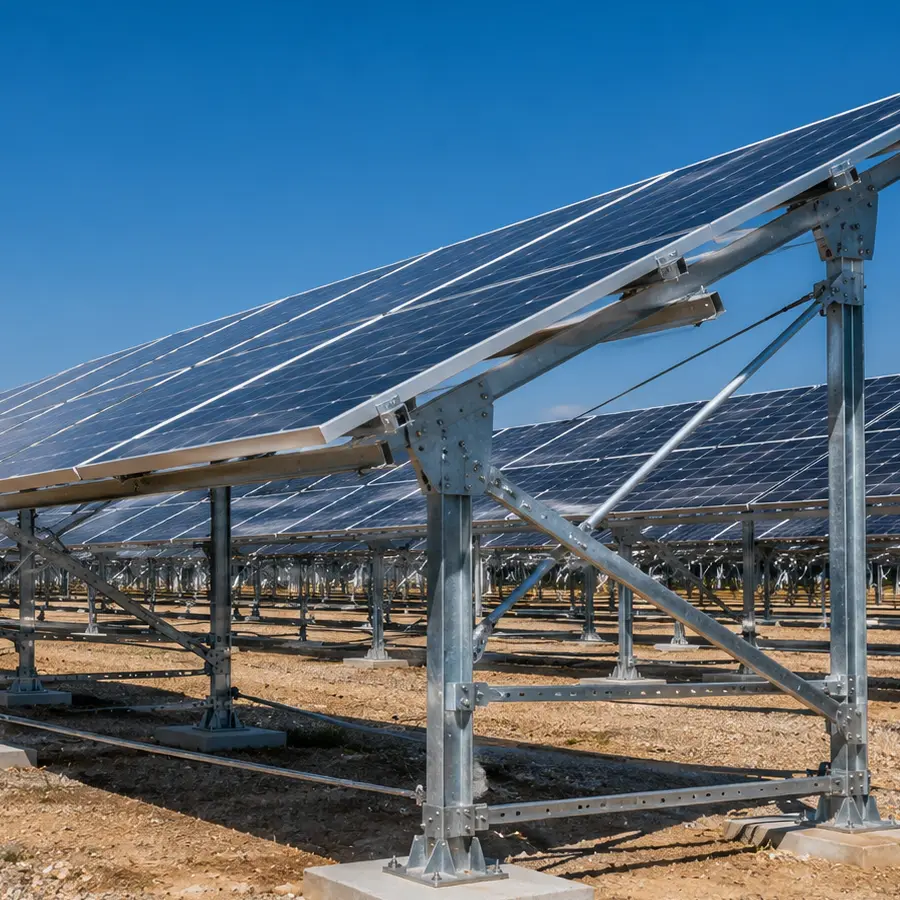
When we talk about solar energy, most people think of panels and inverters. But the Module Mounting Structure (MMS) is equally important—it’s the backbone that supports solar panels and ensures they perform efficiently for decades. A well-designed mounting structure not only provides mechanical stability but also optimizes the angle and orientation of panels to maximize sunlight capture.
How It Works
The Module Mounting Structure is typically made of galvanized steel, aluminum, or other corrosion-resistant materials. It is engineered to withstand harsh weather conditions like wind, rain, and snow. Depending on the installation type, MMS can be:
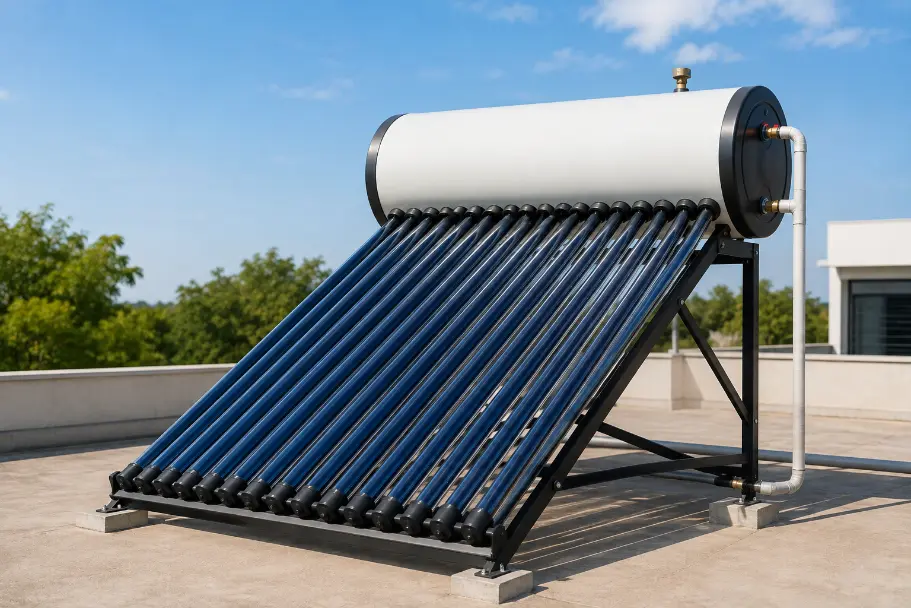
Roof-Mounted – Fixed on residential or commercial rooftops.
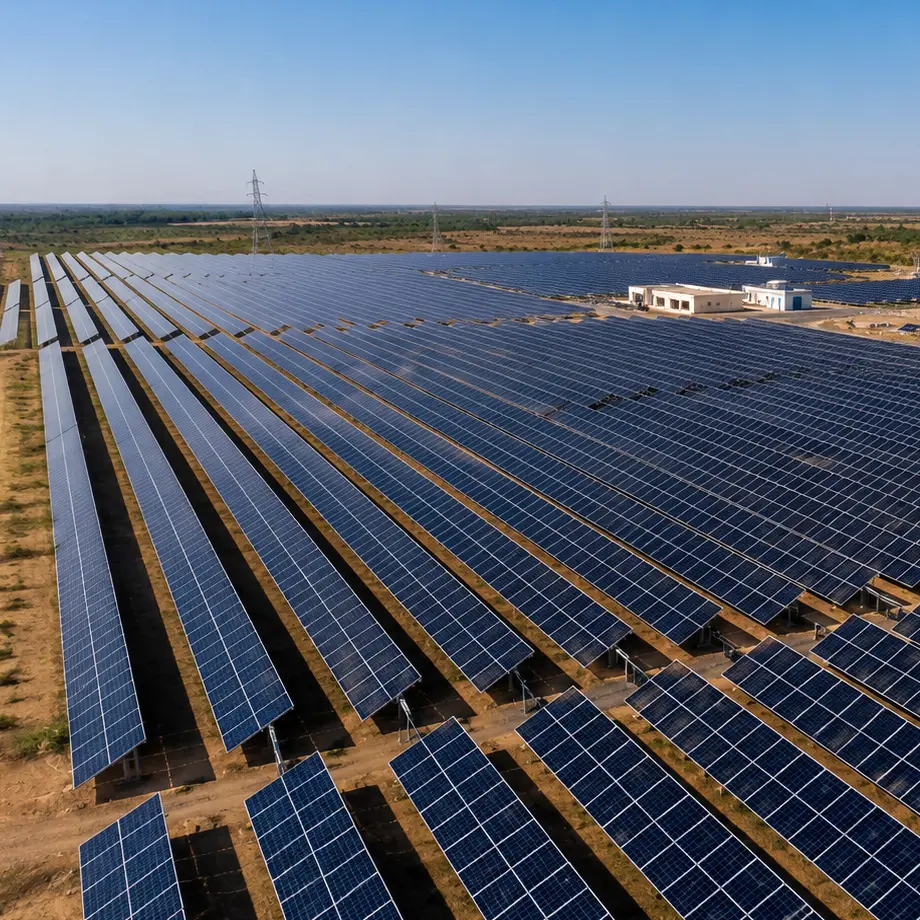
Ground-Mounted – Installed on open land for large-scale solar farms.
Pole-Mounted – Panels fixed on poles for specific applications.
Tracking Systems – Advanced structures that move panels to follow the sun’s path.
By keeping panels at the correct tilt and orientation, MMS ensures maximum energy generation and long-term durability.
Key Features
High Durability – Made from corrosion-resistant materials.
Optimal Tilt & Orientation – Designed for maximum solar efficiency.
Weather Resistant – Withstands wind, rain, and extreme temperatures.
Versatile Designs – Roof, ground, pole, and tracking options available.
Easy Installation – Modular design for quick setup.
Low Maintenance – Long lifespan with minimal upkeep.
Product Enquiry
Interested in this product? Send us your enquiry.
Residential Rooftops
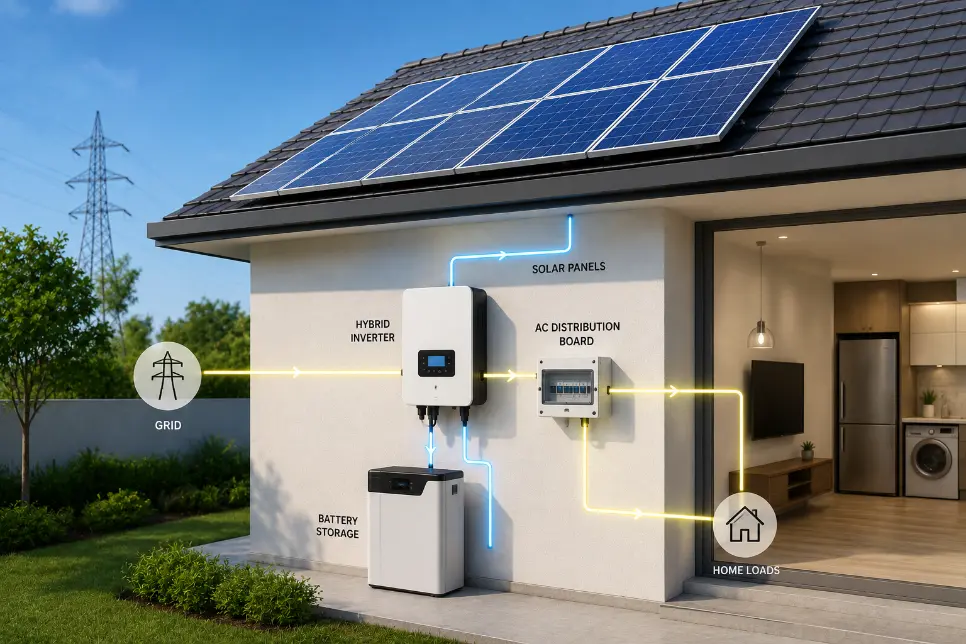
Securely mounts panels on homes for solar power generation
Commercial Buildings
Provides stable installation for offices, malls, and complexes
Industrial Sites
Supports large-scale solar setups for factories and warehouses
Solar Farms
Ground-mounted structures for utility-scale projects
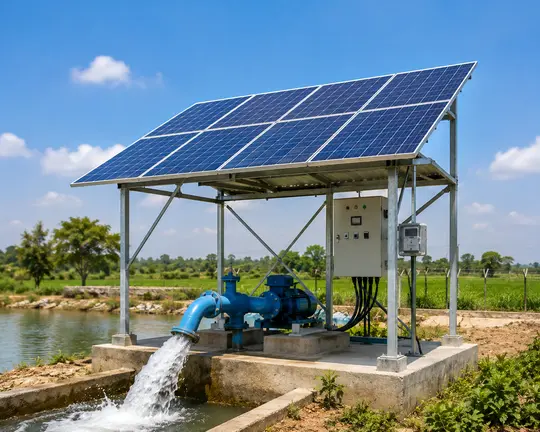
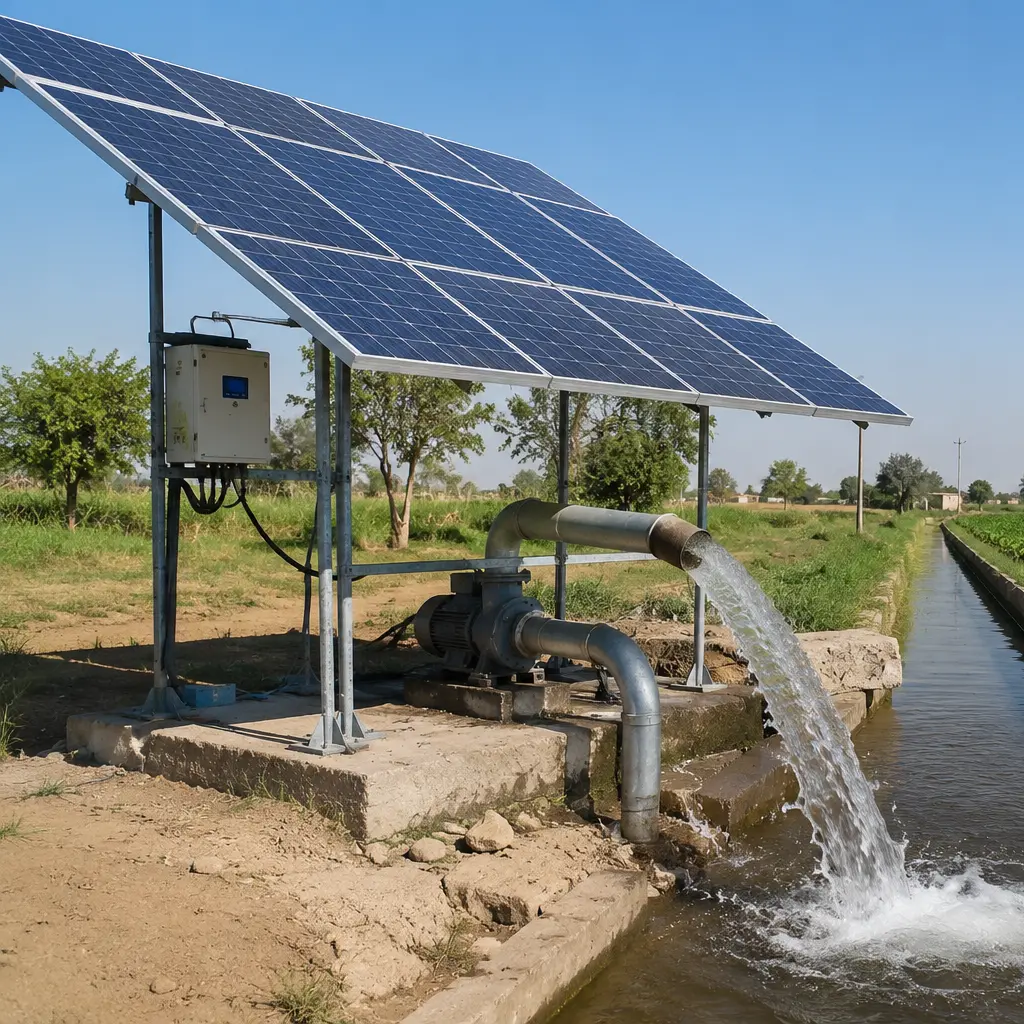
Agricultural Fields
Mounts panels for irrigation and farm-based solar systems
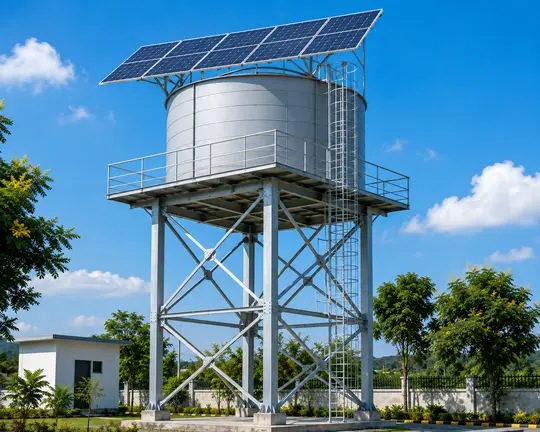
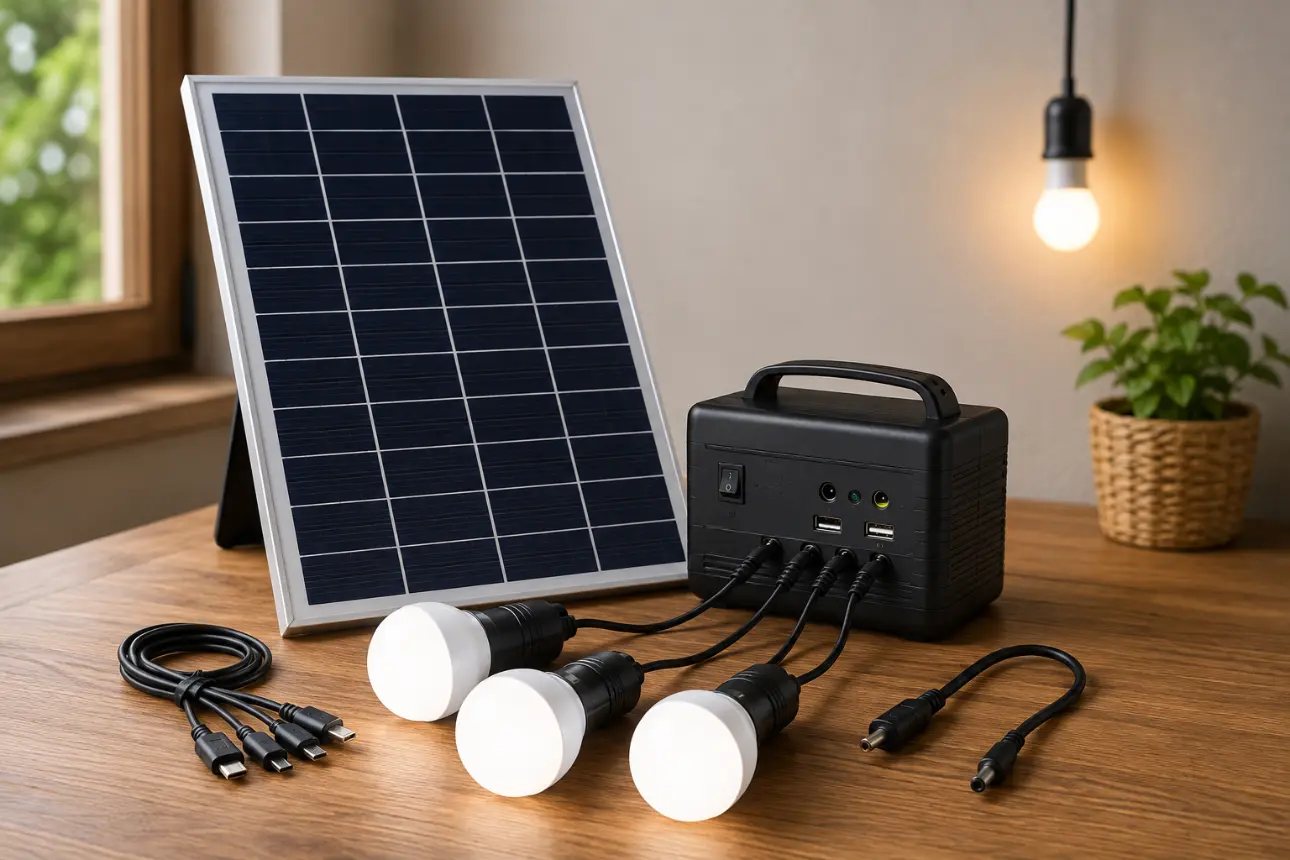
Remote Areas
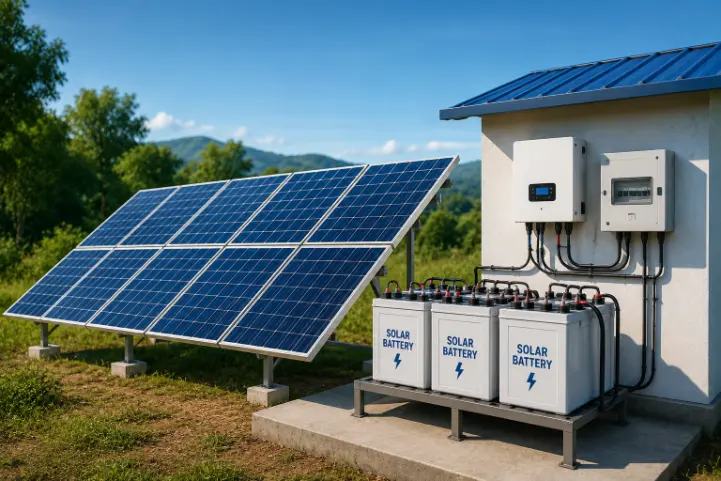
Ensures reliable installation in off-grid locations